
Ubuntu and African communal thought
African · Africa · from 1980
Ubuntu is a set of African ideas that a person becomes a person through other people. It puts character, duties and the good of the community ahead of individual rights, and it grounds ethics in human welfare.
What it is
Ubuntu is a family of African ideas that a person becomes a person through other people. The word comes from Bantu languages and means 'humanity'. It is often put as 'I am because we are', or 'a person is a person through people'. In most accounts it puts character, duties and the good of the community ahead of individual rights.
It stresses interconnection and shared identity over individualism. In the wider field of African ethics, morality is mainly about character: being a full person is something you achieve by how you live.
So the central question is less 'which rule applies here?' and more 'what kind of person am I becoming, and in what company?'. Being good and belonging well to others are, in this view, the same project.
The main ideas
- Relational personhood. A person's humanity depends on their relations with others and on recognition by the community.
- Personhood is earned. It is not simply innate. A human who consistently breaks the community's moral standards can fail to be a full person.
- Character first. Moral thinking keeps returning to character, which comes from habitual action and can be improved.
- Community over individual. Duties and the common good come before personal rights.
What it looks like in practice
Picture a neighbour whose house has burned down. Where a person's worth is measured by what they own and achieve alone, the question is how much to give. In the Ubuntu view the question is different. A community in which one person is left bare is damaged, and so is the one who looked away. Helping is not a favour. It is part of being a person.
Where it is used
The word and its relatives (ubuntu, botho, hunhu) belong to Bantu languages of southern Africa, and the idea has had most attention in South Africa and Zimbabwe. It has no single origin, and similar thinking runs through many African societies, so it is named here as African communal thought, with ubuntu as its best-known word.
Questions and criticism
- Is the community above the individual? Many writers say the community's interests come first. Others say the individual and the community shape each other and neither ranks above the other.
- Is it religious or humanistic? One account of African ethics says it rests on human welfare and can stand apart from religion. Another account of southern African ubuntu says its moral standards are worked out by the community together with ancestors and a creator God. Writers do not agree.
- How exact is the idea? Some scholars find the concept loose, and ask whether harmony should be treated as an absolute.
- Does it serve everyone equally? Some African scholars worry that it can push women aside and support patriarchal structures.
Close neighbours
The key contrast with other views is 'the community comes first' against 'the person comes first'. Objectivism sits at the opposite end.
Written by epchē in our own words, and checked against independent sources on 2 October 2026. The sources are listed below.
Where to start reading
Books for this philosophy, from the easiest way in to the harder ones. Each is chosen for a newcomer, whatever the shop.

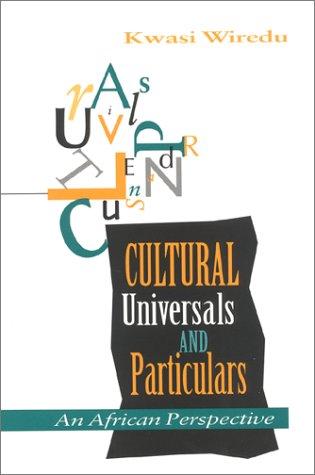
Covers belong to their publishers and are shown so you can recognise the book.
What it holds
These are the questions this philosophy cares about most and the side it leans toward. They are our reading of it, and the same positions the walk uses.
- The community comes first · clearly When a person's wishes and the community's needs pull apart, which should come first?
- Being a good person · clearly Is ethics mostly about which acts are right, or about what kind of person you become?
- Duties and rules · leaning Is an act right because of what it leads to?
Ideas it speaks to
Short articles on the questions this philosophy answers most firmly.
- The person or the community first · leans toward: The community comes first
- Acts or character in ethics · leans toward: Being a good person
- Results or rules in ethics · leans toward: Duties and rules
Compared with
Thinkers
Sources we used
- African Ethics · Stanford Encyclopedia of Philosophy, read on 2 October 2026
- Hunhu/Ubuntu in Traditional Southern African Thought · Internet Encyclopedia of Philosophy, read on 9 October 2026
- Ubuntu philosophy · Wikipedia, read on 2 October 2026
Where do you stand?
Every philosophy takes sides. Here is one question Ubuntu and African communal thought answers firmly:
When a person's wishes and the community's needs pull apart, which should come first?
- Ubuntu and African communal thought leans toward: The community comes first
- The other side: The person comes first
The walk asks about this and the questions around it, two ideas at a time, and shows which philosophies your own answers sit closest to. No account, and your answers stay on your device.