
Agnosticism
Secular Thought · Europe · from 1869
Agnosticism says that nobody can know, or has good reason to decide, whether there is a God. The word was made up in 1869 by Thomas Huxley, who wanted a name for holding back from both belief and denial.
What it is
Agnosticism is the view that we cannot know, or have no good reason to decide, whether there is a God. It says that neither 'God exists' nor 'God does not exist' can be shown. The word was coined by Thomas Huxley in 1869, from the Greek for 'unknown', as a name for people who would not claim certainty either way.
It is a statement about knowledge, not about what is true. An agnostic is not saying that God probably exists or probably does not. They are saying that the question is not settled by anything they, or anyone else, can point to.
The main ideas
- Holding back. Where the evidence does not settle a question, withhold belief. Agnosticism treats that as an honest stance, not as an evasion.
- Two senses. The word can describe a personal state, simply suspending judgment. It can also describe a claim about the situation itself: that neither side has enough justification.
- Not the same as atheism. An atheist believes there is no God. An agnostic neither believes God exists nor believes God does not exist. Agnostics tend to think that both believers and deniers claim too much.
What it looks like in practice
Picture someone who has read the arguments on both sides and found each of them less than decisive. They do not pray and they do not declare God impossible. Asked directly, they say they do not know, and they add that they do not think anyone does. They can still take the other questions seriously: how to live, what to hope for, what to do with the time that is left.
That is different from simply not having thought about it. The agnostic has looked, and the conclusion is that the answer is not available.
Questions and criticism
- What does the word actually mean? It can describe a doubt, a belief about what can be known, or a polite way of avoiding the question. Much of the argument around agnosticism is about which of these is meant.
- Is suspending judgment always reasonable? One objection is that a question that cannot be settled still has to be lived. Going on as if there is no God, or as if there is, is a kind of answer.
Close neighbours
Agnosticism sits close to atheism and to theism, since it is defined by what it declines to say about both. It can also sit beside skepticism, which doubts claims to knowledge in general, not only about God. In practice, the question that separates an agnostic from the others is not 'what do you believe?' but 'what do you think can be known?'.
Written by epchē in our own words, and checked against independent sources on 1 October 2026. The sources are listed below.
Where to start reading
Books for this philosophy, from the easiest way in to the harder ones. Each is chosen for a newcomer, whatever the shop.
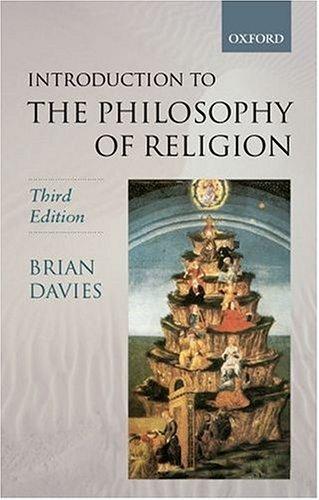
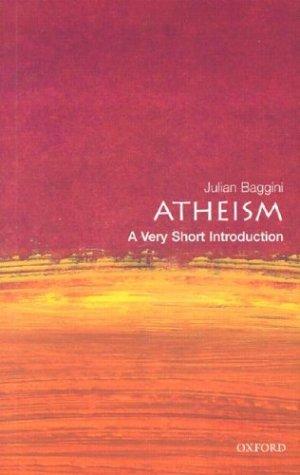
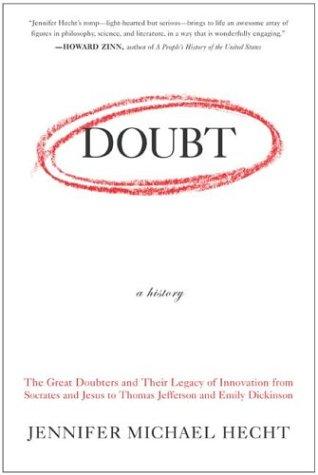
Covers belong to their publishers and are shown so you can recognise the book.
What it holds
These are the questions this philosophy cares about most and the side it leans toward. They are our reading of it, and the same positions the walk uses.
- No one can know · clearly Can people reach a firm answer about whether there is a God?
- Only evidence counts · leaning Can faith or trust in a teaching show us truths that evidence cannot?
Ideas it speaks to
Short articles on the questions this philosophy answers most firmly.
- Can anyone know whether there is a God · leans toward: No one can know
- Faith and evidence · leans toward: Only evidence counts
Compared with
- Agnosticism versus Atheism and naturalism
- Agnosticism versus Humean empiricism and skepticism
- Agnosticism versus Pragmatism
- Agnosticism versus Theism
Thinkers
Related philosophies
Runs parallel to
- Atheism and naturalism · Both doubt belief in God, but agnosticism holds back where atheism denies.
More from the Secular Thought tradition
Sources we used
- Atheism and Agnosticism · Stanford Encyclopedia of Philosophy, read on 1 October 2026
- Agnosticism · Encyclopedia.com, read on 1 October 2026
- Atheism · Internet Encyclopedia of Philosophy, read on 1 October 2026
Where do you stand?
Every philosophy takes sides. Here is one question Agnosticism answers firmly:
Can people reach a firm answer about whether there is a God?
- Agnosticism leans toward: No one can know
- The other side: We can know
The walk asks about this and the questions around it, two ideas at a time, and shows which philosophies your own answers sit closest to. No account, and your answers stay on your device.