
Secular humanism
Secular Thought · North America · from 1933
Secular humanism is a way of living without a God. It builds ethics on reason, experience and care for other people, and it looks to science to understand the world. Its aim is a good life here, with freedom and fairness for everyone.
What it is
Secular humanism is a way of life that has no God in it and builds its ethics on human reason, experience and care for others. It says people can live well and decide what is right without a God. It grew out of the older humanist tradition and took organised form in the twentieth century.
It combines three things: a world view with no supernatural part, a belief that science is the way to understand reality, and an ethics that judges choices by their results for human flourishing. Supporters also stress freedom, conscience, inquiry and self-government.
The main ideas
- No supernatural. The supporters hold that there is not enough evidence for spiritual readings of reality.
- Ethics from experience. Right and wrong are judged by what happens to people, and anyone can examine the reasons.
- Human dignity. The humanist tradition behind it began in the Renaissance with a focus on the worth of the person.
- Ethics without God. In the Enlightenment of the 1700s, humanity took the place of God at the centre of ethics, and thinkers had to build ethics on a secular, natural basis. The Enlightenment aimed its criticism at superstition and fanaticism, and did not always reject religion itself.
What it looks like in practice
Picture someone who does not believe in God and is asked why they are honest, or kind to strangers. They do not point to a commandment. They point to what honesty does to trust, and to how it feels to be on the receiving end of cruelty. The answer is open to anyone to inspect, and anyone may argue back.
Milestones
- The Humanist Manifestos of 1933, 1973 and later set out the modern view. The 1933 one was signed by John Dewey and others.
- A Secular Humanist Declaration in 1980 set out the secular form of the view. The term is contested, and many groups prefer plain 'Humanism'.
Questions and criticism
- Is it a religion without a God? Some critics say so. Humanists reply that it has no doctrine and no worship.
- How does it differ from religious humanism? Religious humanists accept some beliefs that cannot be tested. Secular humanists do not.
Close neighbours
Secular humanism overlaps with atheism and naturalism and adds a positive ethics. It should be kept apart from atheism, which says only that there is no God. A person can be an atheist and say nothing yet about how to live. The secular humanist says how.
Written by epchē in our own words, and checked against independent sources on 1 October 2026. The sources are listed below.
Where to start reading
Books for this philosophy, from the easiest way in to the harder ones. Each is chosen for a newcomer, whatever the shop.
- Candide Voltaire
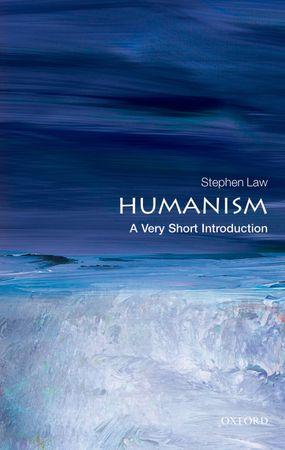
Covers belong to their publishers and are shown so you can recognise the book.
What it holds
These are the questions this philosophy cares about most and the side it leans toward. They are our reading of it, and the same positions the walk uses.
- All within this world · clearly Is everything that matters found inside this world, or does it point to something beyond it?
- Only evidence counts · clearly Can faith or trust in a teaching show us truths that evidence cannot?
- No God who cares · clearly Is there a God who knows us and cares what we do?
- What we make of life matters · clearly If life has no built-in purpose, does the meaning we make for ourselves still count?
- Everyone counts equally · clearly Does ethics start with yourself and the people close to you, or with equal care for everyone?
- Nothing divine exists · clearly Does anything divine exist at all, such as a god or gods, even one that takes no interest in us?
- Results · clearly Is an act right because of what it leads to?
- Everything is physical · clearly Is everything made of physical stuff, or is mind or spirit something more?
Ideas it speaks to
Short articles on the questions this philosophy answers most firmly.
- Does meaning need something beyond this world · leans toward: All within this world
- Faith and evidence · leans toward: Only evidence counts
- Is there a God who cares · leans toward: No God who cares
- Does the meaning we make still count · leans toward: What we make of life matters
- Close people first, or everyone equally · leans toward: Everyone counts equally
- Does anything divine exist · leans toward: Nothing divine exists
Compared with
Thinkers
Related philosophies
Influenced by
- Atheism and naturalism · Secular humanism takes non-belief in God as a starting point and adds a positive ethics.
More from the Secular Thought tradition
Sources we used
- Humanism · Encyclopedia.com, read on 1 October 2026
- Secular Humanism Defined · Free Inquiry (Center for Inquiry), read on 1 October 2026
- Secular humanism · Wikipedia, read on 1 October 2026
- Humanism · New World Encyclopedia, read on 2 October 2026
- The Enlightenment · Stanford Encyclopedia of Philosophy, read on 2 October 2026
Where do you stand?
Every philosophy takes sides. Here is one question Secular humanism answers firmly:
Is everything that matters found inside this world, or does it point to something beyond it?
- Secular humanism leans toward: All within this world
- The other side: Something beyond this world
The walk asks about this and the questions around it, two ideas at a time, and shows which philosophies your own answers sit closest to. No account, and your answers stay on your device.