
Confucianism
Confucian · East Asia · from 500 BCE
Confucianism says we become good through our relationships with family, friends and community. It values respect, learning and doing right in every role. A good society is built from good people.
What it is
Confucianism is the tradition that grew from the teacher Confucius (Kongzi, 'Master Kong') in China, who lived from 551 to 479 BCE. It holds that people become good through relationships, learning and ritual, beginning in the family, and that a society is best led by rulers who set an example of virtue.
The main source on Confucius's teaching is the Analects, a collection of sayings and conversations put together after his death. Every account of him rests on texts written after his lifetime, so scholars are careful about what exactly he taught. What is clear is the direction: a good life is built slowly, among other people, by practice.
The main ideas
- Ren, humaneness. The central virtue, a caring regard for others. It is about acting from a sense of what is good for them, and it lives in relationships.
- Li, ritual and proper conduct. Ritual shapes behaviour and feeling together. Correct practice helps reform desires and builds moral habits.
- Family first. Respect for parents is the model of good relations and the starting point for virtue.
- The exemplary person. The junzi is a person who cultivates virtue through learning, ritual and effort, and who becomes a model for others.
- Lifelong learning. Self-cultivation is gradual. Study and practice continue over a lifetime.
- Government by example. Rulers lead by their own virtue more than by force.
- Harmony. A good order comes when people fill their roles well, in the family and in the state.
What it looks like in practice
Picture a person who wants to become more patient. A Confucian would not start with a rule or a resolution. They would start with the people around them: how they speak to their parents, how they greet a neighbour, how they behave at a shared meal. These small, repeated acts of respect are the training. Over time the care they practise becomes the way they feel.
The same thought applies to anyone with authority. A manager, a teacher or a parent leads, in this view, mainly by being the kind of person others would want to resemble.
People and moments
- Confucius (551 to 479 BCE), the teacher.
- Mencius (traditionally 372 to 289 BCE) is the major early successor. He held that humans have a natural beginning of goodness that must be nurtured.
- Xunzi (third century BCE) held that people are flawed and shaped far more by habit and training than by nature, but can be improved.
- Zhu Xi (1130 to 1200) is the later thinker who made the Analects central to a new system of thought.
Questions and criticism
- What did Confucius really teach? The Analects cannot be treated as a plain record, and later readers remade the figure of Confucius for tradition, for reform and for political ends.
- Human nature. Confucius said little about it, which left room for the opposite views of Mencius (people begin good) and Xunzi (people must be trained).
Close neighbours
Confucianism contrasts with Daoism, which distrusts the shaping of life by ritual and rules. It is close to Aristotelian virtue ethics in treating character as the centre of ethics, but it is more tied to family and ritual roles.
Written by epchē in our own words, and checked against independent sources on 7 October 2026. The sources are listed below.
Where to start reading
Books for this philosophy, from the easiest way in to the harder ones. Each is chosen for a newcomer, whatever the shop.
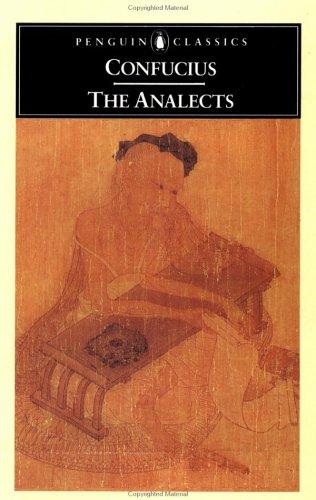
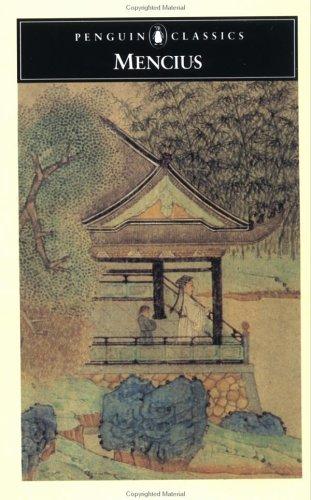
Covers belong to their publishers and are shown so you can recognise the book.
What it holds
These are the questions this philosophy cares about most and the side it leans toward. They are our reading of it, and the same positions the walk uses.
- Being a good person · clearly Is ethics mostly about which acts are right, or about what kind of person you become?
- The community comes first · clearly When a person's wishes and the community's needs pull apart, which should come first?
- Keep what has lasted · clearly Should we trust old customs and institutions, or question and change them?
- Respect rank and role · clearly Is a good society held together by ranked roles, where each person has a place and a duty?
- Close people come first · leaning Does ethics start with yourself and the people close to you, or with equal care for everyone?
- Meaning is given to us · leaning Does life have a purpose before you choose anything?
- Some things are wrong for everyone · leaning Are some moral rules true for everyone, everywhere?
Ideas it speaks to
Short articles on the questions this philosophy answers most firmly.
- Acts or character in ethics · leans toward: Being a good person
- The person or the community first · leans toward: The community comes first
- Tradition or change · leans toward: Keep what has lasted
- Shared decisions or ranked roles · leans toward: Respect rank and role
- Close people first, or everyone equally · leans toward: Close people come first
- Meaning given or made · leans toward: Meaning is given to us
Compared with
- Confucianism versus Aristotelian virtue ethics
- Confucianism versus Conservatism
- Confucianism versus Daoism
Thinkers
Related philosophies
Reacted against
- Daoism · Early Daoist texts mock rigid ritual and moral instruction.
Sources we used
- Confucius · Stanford Encyclopedia of Philosophy, read on 7 October 2026
- Confucius · Internet Encyclopedia of Philosophy, read on 7 October 2026
Where do you stand?
Every philosophy takes sides. Here is one question Confucianism answers firmly:
Is ethics mostly about which acts are right, or about what kind of person you become?
- Confucianism leans toward: Being a good person
- The other side: Which acts are right
The walk asks about this and the questions around it, two ideas at a time, and shows which philosophies your own answers sit closest to. No account, and your answers stay on your device.