
Liberalism
Enlightenment · Europe · from 1688
Liberalism puts individual liberty first. It says people are free and equal in standing. It says government needs their consent and a good reason, and that power should be limited and bound by law. Liberals disagree about how far markets and welfare should go.
What it is
Liberalism is the political tradition that puts individual liberty first. Its starting idea is that people are free and equal in standing, that government needs their consent and a justification, and that its power should be limited and bound by law. It grew out of the Enlightenment.
Here the word is used in its broad philosophical sense, not as the name of a party. In that sense liberalism is set apart from radical democracy, which stresses equality, from communitarianism, which stresses belonging, and from conservatism, which stresses tradition. Its supporters disagree among themselves about markets and welfare.
The main ideas
- A presumption for liberty. People are by nature free. Whoever limits liberty has to justify it, and the burden of proof lies on those who are against liberty.
- Limited government. Political power needs a justification, and only limits that protect equal liberty are justified.
- Rule of law. Power must be bounded and accountable. Everyone stands equal before the law.
- Toleration. Different ways of living are respected, within limits.
- Consent. Government rests on the consent of the governed.
- Individual freedom, progress and reform. Liberalism tends to favour reform over both tradition and revolution.
What it looks like in practice
Picture a law that bans a certain way of dressing or worshipping. The liberal does not first ask whether the practice is wise or admirable. They ask who is being stopped from doing what, and what justifies it. If the answer is only that most people dislike it, the burden has not been met.
The same test applies to the state. A government that wants more power over people's lives has to show what the power is for, and that it will stay bound by law.
Questions and criticism
- What does liberty mean? It can mean absence of interference, self-direction, or freedom from domination. Each leads to a different politics.
- Property and markets. Classical liberals tie private property closely to freedom and favour limited government and free markets. Social liberals question that link and favour regulated markets and welfare.
- How far does it reach? Whether liberal principles apply to everyone or only to certain societies, and whether liberalism needs a full moral doctrine or only a political one, are both open questions.
Close neighbours
Because liberals split on markets and on equality, liberalism is best known for putting the person first and for favouring reform. Someone who is both a market enthusiast and a strong individualist is closer to libertarianism. Someone who puts equality first is closer to Marxism or to social liberalism.
Written by epchē in our own words, and checked against independent sources on 2 October 2026. The sources are listed below.
Where to start reading
Books for this philosophy, from the easiest way in to the harder ones. Each is chosen for a newcomer, whatever the shop.
- Justice: What's the Right Thing to Do? Michael J. Sandel
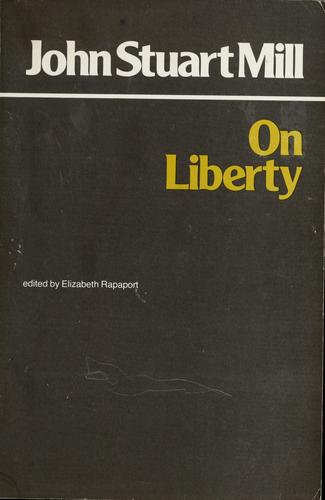
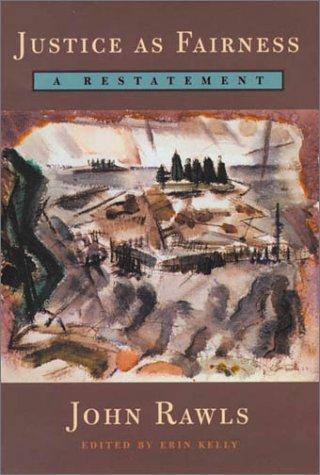
Covers belong to their publishers and are shown so you can recognise the book.
What it holds
These are the questions this philosophy cares about most and the side it leans toward. They are our reading of it, and the same positions the walk uses.
- The person comes first · clearly When a person's wishes and the community's needs pull apart, which should come first?
- Question and change · leaning Should we trust old customs and institutions, or question and change them?
Ideas it speaks to
Short articles on the questions this philosophy answers most firmly.
- The person or the community first · leans toward: The person comes first
- Tradition or change · leans toward: Question and change
Compared with
- Liberalism versus Absurdism
- Liberalism versus Conservatism
- Liberalism versus Kantian deontology
- Liberalism versus Libertarianism
- Liberalism versus Marxism
Thinkers
Related philosophies
Reacted against by
- Conservatism · Conservatives reject abstract universal rights and trust practice over theory.
Branches
- Libertarianism · It takes liberty as the main value, as liberalism does, but pushes it further. (scholars disagree about this link)
Sources we used
- Liberalism · Stanford Encyclopedia of Philosophy, read on 2 October 2026
- Liberalism · Wikipedia, read on 2 October 2026
- Liberalism · New World Encyclopedia, read on 2 October 2026
Where do you stand?
Every philosophy takes sides. Here is one question Liberalism answers firmly:
When a person's wishes and the community's needs pull apart, which should come first?
- Liberalism leans toward: The person comes first
- The other side: The community comes first
The walk asks about this and the questions around it, two ideas at a time, and shows which philosophies your own answers sit closest to. No account, and your answers stay on your device.